
Take advantage of our monthly specials. Get Details
If you’ve been noticing that your face doesn’t look quite as full as it used to, or those smile lines have gotten deeper over the years, you’re not alone. Many people are curious about fillers but aren’t quite sure where to start. Maybe you’ve heard friends mention “Juvederm” and “Sculptra” and wondered what the difference is, or perhaps you’re just tired of looking tired even when you feel great. Whatever brought you here, let’s break down what dermal fillers are, how they work, and whether they might be right for you.
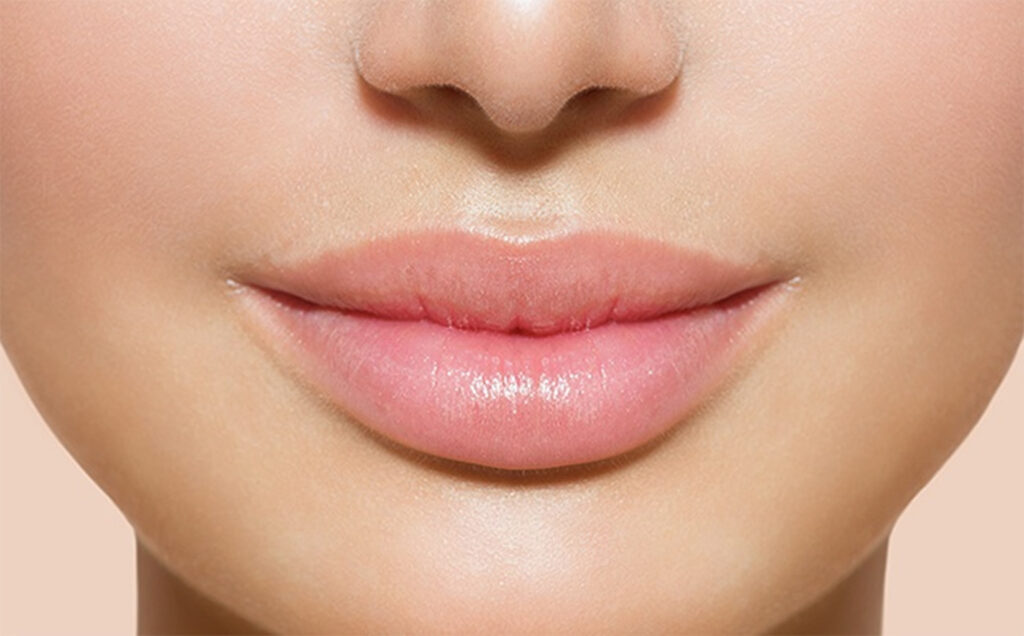
You’ve probably heard people use “fillers” as a catch-all term for any injectable treatment, but dermal fillers are quite different from Botox. While Botox relaxes muscles that create wrinkles, fillers do exactly what their name suggests—they fill in areas where volume has been lost and restore the fullness your face naturally had when you were younger.
As we age, we lose volume in our faces. Our skin gets thinner, the fat in our cheeks diminishes, and our bones even recede slightly. This creates hollows under our eyes, makes our cheeks look flatter, deepens the lines around our mouth, and can make our lips look thinner. Fillers replace that lost volume, lifting and supporting your skin from underneath.
The best part? These treatments work with your body. Modern fillers use substances that are either naturally found in your body or encourage your body to rebuild its own support structure. The results look natural because you’re restoring what time has taken away.
There are two main approaches to restoring facial volume, and understanding the difference helps you choose what’s right for you.
Juvederm fillers are made with a natural substance your body already produces that helps keep skin hydrated and plump. When we’re young, our bodies make plenty of it. As we age, production slows down. When your provider places these fillers beneath your skin, they’re replacing what your body used to make on its own. The filler holds water, which creates volume and smooths wrinkles. You see results immediately.
Sculptra works completely differently. Instead of filling space right away, it encourages your body to rebuild its own support structure over time. Think of Sculptra as a personal trainer for your skin—it’s coaching your body to do the work itself rather than simply filling in the gaps.
This approach creates results that develop slowly over several months. Many people love this gradual transformation because it looks incredibly natural—like you’re aging in reverse rather than having had “work done.” Because your body is doing the rebuilding, results can last significantly longer than traditional fillers.
When people talk about fillers, Juvederm and Sculptra are the two most popular approaches. Understanding the difference will help you decide which is right for you—or whether combining both might give you the best results.
Sculptra represents a different philosophy in facial rejuvenation. While traditional fillers give you immediate results, Sculptra takes a more sophisticated approach: it stimulates your body to rebuild its own support structure over time.
When injected beneath your skin, Sculptra works to stimulate the cells responsible for rebuilding your skin’s foundation. Over the weeks and months following treatment, your body gradually creates new structure in the treated areas, restoring facial volume naturally. Because it’s literally your own tissue rebuilding, it looks and feels completely natural.
Patience is key with Sculptra. After your first treatment, you won’t see dramatic changes right away. Instead, over three to four months, you’ll notice your face looking fuller, more lifted, and more youthful. It’s the kind of change where people say, “You look great!” rather than “Did you get work done?”
Most people need two to three treatment sessions spaced about four to six weeks apart for optimal results.
Sculptra is ideal for overall facial volume loss rather than specific lines. It’s particularly effective for:
Many people in their 40s, 50s, and beyond choose Sculptra because it addresses the root cause of aging rather than just filling in visible symptoms. It’s also popular among those who want natural results that develop gradually.
Because you’re building your own structure, results can last up to two years or longer—significantly longer than most other fillers. While you’ll need multiple sessions initially, once you’ve built up your results, you’re looking at much longer intervals between treatments.
After treatment, you’ll massage the treated areas for five minutes, five times a day, for five days. This helps ensure even distribution as your body begins rebuilding. You might see some temporary fullness right after treatment, but this will subside. Your real results develop gradually over the following months.
The Juvederm family represents the traditional approach to facial rejuvenation. These fillers provide immediate results, and there’s a specific Juvederm product designed for different areas and concerns. You see results the moment you walk out of your appointment.
These are the workhorses of the Juvederm family. Ultra is perfect for fine to moderate lines and subtle lip enhancement—think natural fullness rather than dramatic change. Ultra Plus is thicker and better for deeper folds and more significant volume loss.
Both are commonly used for lips and those lines that run from your nose to the corners of your mouth (the ones that deepen when you smile or talk). Ultra gives you a softer touch, while Ultra Plus provides more correction when you need it. Results typically last six to twelve months, and many people find they last even longer with repeat treatments.
If you’ve noticed your face looking flatter as you’ve gotten older, Voluma is designed specifically for cheeks and mid-face. This is where a lot of people see significant volume loss as they age, and it can make a dramatic difference in how youthful you look.
Voluma is thicker than the Ultra products, which allows it to provide structural support and lift. When injected into the cheeks, it doesn’t just fill—it actually lifts, creating a more youthful contour to your entire face. Many people are surprised to find that treating their cheeks makes more difference than they expected. Voluma can last up to two years, making it excellent value despite a higher upfront cost.
Volbella is designed for areas needing subtle, natural-looking enhancement. It’s most commonly used for lips when you want just a hint of volume and definition—not a dramatic change, just a refresh of what you used to have. It’s also excellent for those fine vertical lines above your lips that can develop over time.
The consistency of Volbella is softer and spreads more smoothly than other fillers, which is perfect for these delicate areas where you don’t want anything that looks overdone. Results typically last around twelve months, and because it’s such a gentle product, it’s a favorite for first-timers who want to dip their toes in cautiously.
SKINVIVE is different from traditional fillers—it’s not about adding volume or filling lines. Instead, it’s designed to improve the overall quality and appearance of your skin.
Think of SKINVIVE as hydration from within. It’s injected in tiny droplets across the treatment area (usually cheeks) to improve skin smoothness, hydration, and radiance. Instead of targeting one specific line or area, it works on your overall skin quality. Results develop over a few weeks and last up to six months.
People often describe their skin as looking more glowing, hydrated, and healthy after SKINVIVE. It’s perfect if your main concern is dull skin, loss of radiance, or rough texture rather than specific lines or volume loss. It can also be combined with other fillers for a comprehensive approach to facial rejuvenation.
If this is your first time considering fillers, a skilled injector will assess your face and recommend the best approach. The key question: Do you want immediate correction of specific areas, or gradual, overall facial rejuvenation?
Juvederm is your best bet. Popular first treatments include lip enhancement (Volbella or Ultra), softening the lines from nose to mouth (Ultra or Ultra Plus), or cheek enhancement (Voluma). You see results right away.
Sculptra might be your better choice if you’re noticing general facial thinning or hollow temples. It addresses the root cause rather than chasing individual lines. Many choose Sculptra because results develop naturally over time—perfect if you’re concerned about looking like you’ve had work done.
You don’t have to choose just one. Some of the best results come from combining Sculptra for overall volume with strategic Juvederm for specific areas like lips. Your injector can help you understand if a combination approach makes sense.
The most important factor isn’t which product you start with—it’s finding an experienced injector who listens to your concerns and creates natural-looking results.
For all fillers: You should be in good health with realistic expectations. Fillers aren’t recommended if you’re pregnant or breastfeeding, have active skin infections, or severe allergies. Discuss any health concerns with your provider during consultation.
You’ll start with a consultation discussing your goals. Your injector will examine your face, possibly take photos, and explain their recommendations.
For Juvederm: Your face will be cleansed and numbing cream applied. The injection process takes 15-45 minutes. You’ll see immediate results, though some swelling is normal. Final results settle in within two weeks.
For Sculptra: Similar process, but you won’t see final results right away. You might see temporary fullness from swelling initially, but your real results develop gradually over 3-4 months. You’ll need to massage treated areas for five minutes, five times daily, for five days. Most people need 2-3 sessions spaced 4-6 weeks apart.
This is probably one of the biggest questions for anyone considering fillers for the first time, and it’s a smart question to ask. The good news is that dermal fillers have an excellent safety record when administered by qualified medical professionals. These treatments have been used millions of times with overwhelmingly positive outcomes.
The most common side effects are temporary and minor: swelling, redness, tenderness, and possibly small bruises for a few days. You might feel some firmness or small bumps initially that smooth out within a week or two as everything settles. These are normal parts of the healing process.
Less common side effects include temporary numbness in the treated area or slight asymmetry that can be adjusted. Serious complications are rare when fillers are administered properly by experienced professionals, but they can include things like blocked blood vessels, which is why proper training and experience matter so much.
The key to safety is choosing where you go for treatment. Always choose a legitimate medical spa or clinic where licensed medical professionals perform injections. Avoid deals that seem too good to be true, injection parties, or anyone offering treatments in non-medical settings. This is a medical procedure, even though it’s quick and relatively simple.
This is probably the biggest fear people have about fillers, and it’s completely understandable. We’ve all seen people who look overfilled, with lips that don’t quite move right or cheeks that look inflated. You’re thinking, “I don’t want to look like that.”
Here’s what’s important to understand: Those overdone looks happen when too much filler is used, it’s placed incorrectly, people get multiple treatments too close together without letting previous filler metabolize, or they’re trying to achieve a specific, exaggerated look rather than natural rejuvenation.
A skilled, experienced injector knows exactly how much filler to use and where to place it to restore your natural contours without creating an artificial appearance. They understand facial proportions and how different areas work together. They’re not trying to change who you are—they’re trying to help you look like a refreshed, rested version of yourself.
The philosophy at good medical spas is “less is more,” especially for first-timers. It’s always better to be slightly under-corrected and add more filler at a follow-up appointment than to overfill initially. You can always add more, but once it’s injected, you either wait for it to metabolize naturally or have it dissolved (in the case of Juvederm products).
If you’re worried about looking overdone, communicate this clearly to your injector. Tell them you want natural-looking results and would rather start conservatively. A good injector will respect this and may even appreciate that you’re on the same page about achieving subtle, natural improvements.
Juvederm Ultra and Ultra Plus: Six to twelve months. Lips tend to break down filler faster (6-9 months), while lines around the mouth often last longer (9-12+ months).
Juvederm Voluma: Up to two years—the longest-lasting of the Juvederm family.
Juvederm Volbella: Around twelve months, sometimes longer.
Sculptra: Up to two years or longer since you’re building your own structure. Requires multiple initial sessions but then longer intervals between maintenance.
SKINVIVE: Around six months.
Factors affecting longevity: your metabolism, the area treated (high-movement areas break down faster), and your lifestyle (intense exercise, smoking, sun exposure can reduce duration).
Let’s talk about the financial side, because cost is an important practical consideration for most people. Dermal fillers are typically priced per syringe, with each syringe containing 1mL of product.
At most practices, you can expect to pay around $700-$800 per syringe, though this varies depending on your location and the specific product used. Premium products like Voluma sometimes cost slightly more than Ultra or Volbella.
What you might need for first-time treatments: Lips typically require one syringe, sometimes one and a half if you want more noticeable results. Lines from nose to mouth (nasolabial folds) usually need one to two syringes total since you’re treating both sides. Cheek augmentation with Voluma often requires two to three syringes for noticeable, natural-looking results. Under-eye hollows typically need one syringe total for both eyes.
It’s important to budget not just for your initial treatment but also for maintenance, since results are temporary. The good news: maintenance treatments often require less product than your initial treatment, and results often last longer with repeat treatments as your skin adjusts.
Many medical spas offer membership programs, packages, or special pricing that can reduce costs if you plan to continue with regular treatments. Don’t hesitate to ask about pricing and payment options during your consultation—any reputable provider will be transparent about costs and help you understand what you’ll need to achieve your goals.
One concern many first-timers have is, “What if I don’t like how it looks?” This is where understanding the difference between Juvederm and Sculptra becomes really important.
Juvederm is reversible: One of the biggest advantages of Juvederm and other similar fillers is that they can be dissolved using a special enzyme. This enzyme breaks down the filler quickly—sometimes within hours. If you’re unhappy with your results, or if there’s any complication, the filler can be reversed. While you hope you’ll never need it, knowing this reversal option exists can make trying fillers less intimidating, especially if you’re nervous about your first treatment. It’s essentially a safety net.
That said, this reversal enzyme isn’t something to use casually. It can dissolve both the injected filler and some of your body’s natural moisture-holding substances, and it occasionally causes swelling or reactions. It’s there as a genuine safety net for problems, not for minor tweaks or second-guessing.
Sculptra is not reversible: This is a crucial point to understand. Because Sculptra works by encouraging your body to rebuild its own support structure, there’s no way to reverse it once that rebuilding process has started. Once your body has created new structure in response to the treatment, it’s there until your body naturally breaks it down over time (which takes a couple of years).
This is why choosing an experienced, skilled injector is even more critical with Sculptra. The good news is that because Sculptra results develop gradually over months, your injector can adjust your treatment plan as you go. If after your first session you feel like you’re getting too much volume, they can reduce the amount in your next sessions. The gradual nature of Sculptra actually provides a built-in safety mechanism—you’re not locked into a dramatic immediate result that you might regret.
The best approach for both: Whether you choose Juvederm or Sculptra, work with your injector to make sure you’re both clear about your goals before treatment. Start conservatively—you can always add more, but you can’t easily subtract. And give results time to settle (remember, some initial swelling is completely normal) before deciding you don’t like them. Most concerns people have resolve on their own as swelling subsides and everything settles into place over the first couple of weeks.
Choose Juvederm if: You want immediate results, you’re treating specific areas like lips or particular lines, you prefer reversible options, or you have an event coming up.
Choose Sculptra if: You have overall facial volume loss, you want gradual natural-looking results, you’re comfortable waiting 3-4 months for final results, you value longevity (2+ years), or you want a subtle lifting effect throughout your face.
Consider combining both if: You have both overall volume loss and specific areas to target, or your provider recommends a comprehensive approach.
Many experienced injectors recommend starting with one approach and potentially adding the other later—for example, Sculptra for overall volume, then Juvederm for lips or specific lines.
Some of the best results come from combining different treatments.
Sculptra and Juvederm together are increasingly popular. Use Sculptra for overall volume and lifting, then Juvederm for immediate correction of specific areas. This gives you the best of both worlds.
Fillers and Botox are highly complementary. Botox relaxes muscles that create wrinkles from movement, while fillers restore volume. Together they address both types of aging. Sculptra for overall volume plus Botox for lines is particularly powerful.
Fillers and lasers work well together—fillers address volume loss while lasers improve skin texture and tone.
Your provider can help you understand which combination might work best for your goals.
Take your time with this decision. Consider scheduling a consultation with no pressure to commit. A good medical spa will answer all your questions and let you think about it.
Signs you’ve found the right provider: They listen to your concerns, show you before-and-after photos with natural results, explain recommendations honestly (including what you might not need), start conservatively, and are transparent about pricing.
Trust your instincts. This is your face—you should feel completely confident in your provider.
Starting your journey with dermal fillers doesn’t have to be scary or overwhelming. Whether you choose the immediate results of Juvederm or the gradual, collagen-building approach of Sculptra, these are well-established, safe treatments that have helped millions of people restore volume, soften lines, and feel more confident. The key is understanding what you’re considering, choosing an experienced provider you trust, and having realistic expectations.
Remember, the goal isn’t perfection or to look like someone else—it’s to look like the best, most refreshed version of yourself. With the right provider and approach, dermal fillers can help you see in the mirror what you already feel like on the inside.
Whether you’re curious about the natural, gradual transformation that Sculptra offers, the immediate precision of Juvederm for specific areas like lips or lines, or a combination approach that gives you the best of both worlds, there’s a treatment path that can help. The first step is simply having a conversation with a qualified provider about what might work for you.
Book your consultation with Liz Taylor, NP today. Call (781) 740-2228 or conveniently book online.